
Large Registries
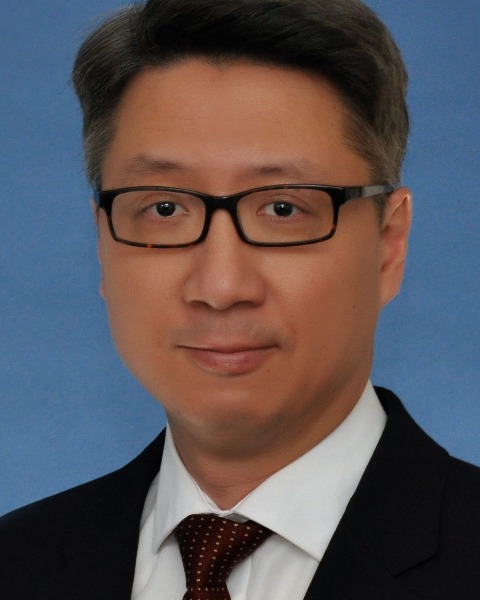
Raymond Y. Kwong, MD, MPH, FSCMR
Director of Cardiac Magnetic Resonance Imaging
Brigham and Women's Hospital
Boston, Massachusetts, United States
Raymond Y. Kwong, MD, MPH, FSCMR
Director of Cardiac Magnetic Resonance Imaging
Brigham and Women's Hospital
Boston, Massachusetts, United States
Sabeeh Islam, MBBS
Research Fellow
Brigham and Women's Hospital, United States
Panagiotis Antiochos, MD
Cardiologist
University Hospital of Lausanne (CHUV), Switzerland
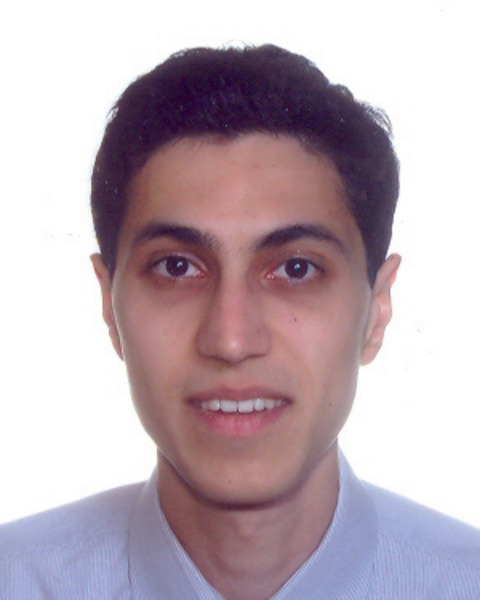
Bobby Heydari, MD
Associate Professor
University of Calgary
Calgary, Alberta, Canada
Yin Ge, MD
Cardiologist
University of Toronto
Cambridge, Massachusetts, Canada

Kevin Steel, MD
Cardiologist
St Joseph Medical Center
Bellingham, Washington, United States
Scott E. Bingham, MD
Cardiologist
Revere Health
Provo, Utah, United States
J. Ronald Mikolich, MD
Professor
Northeast Ohio Medical University
Sharon, Pennsylvania, United States
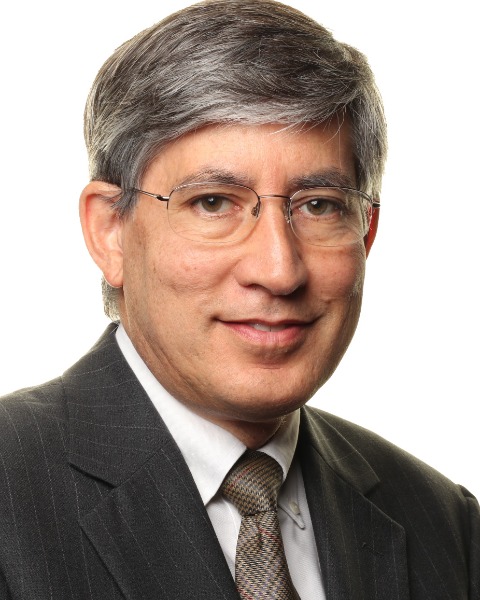
Andrew E. E. Arai, MD
Cardiologist
NIH
Kensington, Maryland, United States
W. Patricia Bandettini, MD
Cardiologist
NIH, Maryland, United States
Sujata Shanbhag, MD
Cardiologist
NIH
Bethesda, Maryland, United States
Amit R. Patel, MD
Professor
University of Virginia Health System
Charlottesville, Virginia, United States
Afshin Farzaneh-Far, MD
Cardiologist
University of Illinois
Chicago, Illinois, United States
Chetan Shenoy, MBBS, MS
Associate Professor of Medicine
University of Minnesota
Minneapolis, Minnesota, United States
Steve W. Leung, MD, FSCMR
Associate Professor
University of Kentucky
Lexington, Kentucky, United States
Jorge A. Gonzalez, MD
Cardiologist
Scripps Clinic Medical Group
La Jolla, California, United States
Subha Raman, MD
Professor
IU Health/IU School of Medicine
Indianapolis, Indiana, United States
Dipan J. Shah, MD
Chief, Division of Cardiovascular Imaging
Houston Methodist DeBakey Heart & Vascular Center
Houston, Texas, United States
John F. Heitner, MD
Cardiologist
New York University Grossman School of Medicine
Brooklyn, New York, United States
Victor A. Ferrari, MD
Chair, Penn Cardiovascular Imaging Council
Hospital of the University of Pennsylvania and Penn Cardiovascular Institute
Phila., Pennsylvania, United States
Jeanette Schulz-Menger, MD
Professor
Charité – Universitätsmedizin Berlin, ECRC, MDC, Helios Klinikum Berlin Buch, DZHK, Berlin, Germany
Berlin, Berlin, Germany

Matthias Stuber, PhD
Professor
University Hospital (CHUV) and University of Lausanne (UNIL)
Lausanne, Switzerland

Orlando P. Simonetti, PhD
Professor, Medicine and Radiology
The Ohio State University
Columbus, Ohio, United States
Patients with no ischemia or no LGE on stress CMR had very low annualized MACE event rates across a mean of 5.4 yrs (0.7% for no ischemia and no LGE vs 3.8% with ischemia, both P< 0.0001), with those with severe ischemia suffered the highest MACE (4.9%) (Figure 1, panel A-C). Cardiovascular death was lowest in patients with neither ischemia nor LGE compared to those with ischemia and LGE (0.25% vs 2.7%, P< 0.0001) (Figure 1, panel D). Ischemia extent (graded as mild, moderate, and severe) portended to progressive higher likelihood of MACE (panel E). Those with evidence of unrecognized MI (UMI) suffered significantly higher MACE (2.4% with vs 1.1% without UMI, P=< 0.0001). In patients with ischemia, left anterior descending coronary ischemia had the highest events (4.3%), compared to lowest in the left circumflex territory (3.8%, P=0.001) (panel F). Ischemia presence was associated with a substantial reduction of periods of event-free survival out of the hospital (3.9 vs 5 yrs, P< 0.0001).
Conclusion:
In a large multicenter registry, pts with normal stress CMR are at very low risk compared to 5-6-fold increased events in those with severe extent or LAD ischemia. Stress CMR should be further evaluated for guidance of revascularization in those at increased risk.