
.jpg)
Theme: Central Nervous System


.jpg "Robynne Braun, MD PHD (she/her/hers) photo")
Robynne Braun, MD PHD (she/her/hers)
Director, Inpatient Rehabilitation Medicine Program
University of Maryland School of Medicine
Baltimore, Maryland
Disclosed no relevant financial relationships.

Krishnaj Gourab, MD
Chief Medical Officer
UM Rehab & Ortho Institute
Baltimore, Maryland
Disclosed no relevant financial relationships.
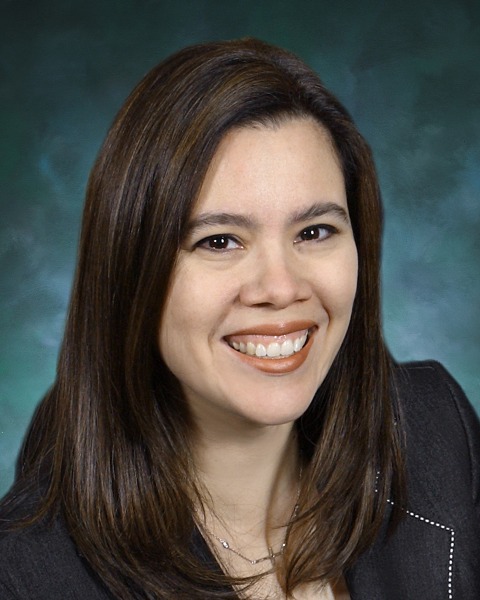
Marlis Gonzalez-Fernandez, MD PhD
VC, clinical affairs, associate professor, PM&R
Johns Hopkins School of Medicine
Catonsville, Maryland
Disclosed no relevant financial relationships.
.jpg "Jodi Arata, MS, CCC-SLP photo")
Jodi Arata, MS, CCC-SLP
Speech Language Pathologist
University of Maryland Rehabilitation Institute
Baltimore, Maryland
Disclosed no relevant financial relationships.
Despite recommendations for 2-3 weeks of nasogastric feeding in stroke patients prior to considering percutaneous endoscopic gastrostomy (PEG) placement (American Heart Association, 2016), a recent review of practice patterns showed that more than half of PEG procedures occur in the first 7 days of admission after ischemic stroke. Clinicians, patients and caregivers often struggle with weighing the risks/benefits and quality of life considerations related to decisions about enteral access. Further challenges for informed decision making include the relative lack of longitudinal studies on dysphagia recovery and the inherent heterogeneity of recovery trajectories in stroke. The complexity of these decisions – not to mention time spent planning for potential invasive procedures – can significantly prolong length of stay. However, with proactive assessment of a patient's prognosis for dysphagia recovery and access to intensive therapy to promote safe swallowing, PEG placement may be avoidable for many patients. To address these topics and their implications for rehabilitation discharge planning, this session will encompass three 20-minute talks from the perspectives of physiatry, speech language pathology, and hospital leadership. Exchange of perspectives between presenters and participants is fostered through the inclusion of case studies with audience polling to assess variation in clinical opinions and practice patterns. Throughout these talks both practical and ethical considerations are addressed. The session will close with 15 minutes of panel discussion/Q&A with the presenters.
Speaker: Robynne G. Braun, MD PHD (she/her/hers) – University of Maryland School of Medicine
Speaker: Krishnaj Gourab, MD – UM Rehab & Ortho Institute
Speaker: Marlis Gonzalez-Fernandez, MD PhD – Johns Hopkins School of Medicine
Speaker: Jodi C. Arata, MS, CCC-SLP – University of Maryland Rehabilitation Institute