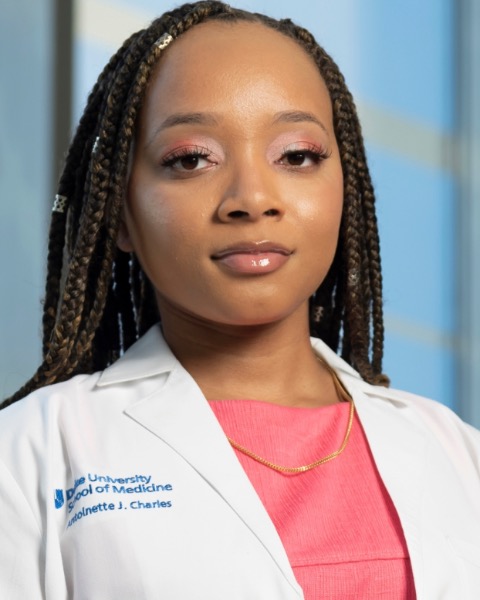
Medical Student Duke University School of Medicine Durham, North Carolina, United States
Introduction: Exceedingly few female students and students from underrepresented racial and ethnic groups (UREG) successfully match into neurosurgical residency. Of those who match, an even smaller percentage specialize in spine surgery. As a result, the demographics of spine surgeons do not reflect the makeup of the general population in the United States. We believe earlier exposure of UREG students to spine surgery will help diversify the workforce. We therefore developed a virtual educational event for undergraduate students entitled "Future Leaders in Neurosurgery Symposium for Underrepresented Students'' (FLNSUS) to address this disparity. The primary goals of FLNSUS were to provide exposure and opportunities for students to connect with neurosurgeons from diverse backgrounds, introduce students to neurosurgical spine research, and educate them on life as a spine neurosurgeon. We hypothesized that FLNSUS would increase students' self-confidence, provide exposure to the specialty, and reduce perceived barriers to becoming a neurosurgeon.
Methods: Of the neurosurgical faculty involved in FLNSUS, four were spine surgeons. To measure the change in participants' perceptions surrounding neurosurgery, we administered pre-and post-symposium surveys to the attendees. In addition to assessing students’ demographics and background, these surveys quantified their attitudes toward neurosurgery using a 5-point Likert scale. In total, 250 students attended the virtual event and 124 completed pre- and post-symposium surveys. Student responses were compared between both surveys, and a A non-parametric sign-test was used to assess significant differences.
Results: Applicants showed increased familiarity with the field (p < 0.001), increased confidence in their abilities to become neurosurgeons (p=0.014), and increased exposure to neurosurgeons from diverse gender, racial, and ethnic backgrounds (p < 0.001 for all backgrounds included).
Conclusion : These results reflect a significant improvement in student perceptions of neurosurgery and indicate that symposiums like FLNSUS may prompt diversification of the field of spine surgery. We hope a more equitable workforce will translate to enhanced research productivity, cultural humility, and patient-centered care in spine surgery. We will continue to promote the importance of spine surgery in future symposiums.