
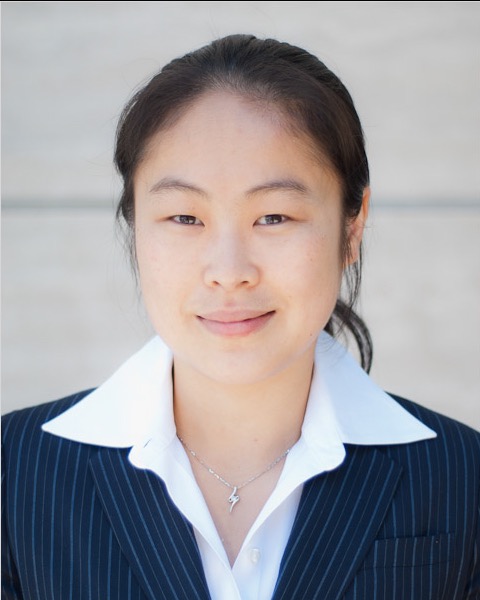
Jing Liu, PhD
Associate Professor
University of California, San Francisco
San Francisco, California, United States
Jing Liu, PhD
Associate Professor
University of California, San Francisco
San Francisco, California, United States

Karen Ordovas, MD, MAS
Professor of Radiology, Cardiothoracic Imaging Section Chief, Associate Vice-Chair for Academic Affairs
University of Washington
Kirkland, Washington, United States
Yoojin Lee, MD
Assistant Professor
University of California, San Francisco
San Francisco, California, United States
Yan Wang, PhD
Assistant Researcher
University of California, San Francisco, California, United States
Yang Yang, PhD
Associate Professor
University of California, San Francisco
San Francisco, California, United States
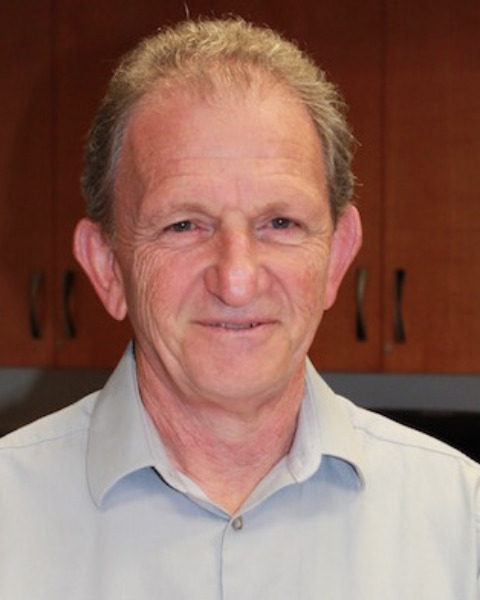
David Saloner, PhD
Professor
University of California, San Francisco
San Francisco, California, United States

Roselle Abraham, MD
Associate Professor
University of California, San Francisco
San Francisco, California, United States
Magnetization transfer (MT) effect is a well-known phenomenon in tissue that is rich in macromolecules, where bound water molecules undergo dipolar interactions and chemical exchange both with macromolecular protons (MP) and those in free water pool. MT has been explored for detecting myocardial fibrosis without use of contrast. In this study, we explored multi-compartment model with MT to quantify myocardial tissue composition, including MP, bound and free water pools, based on a single T1 mapping acquisition.
Methods:
T1 mapping with MOLLI is underestimated due to incomplete inversion recovery (IR) given limited breath-hold duration, signal recovery disruption by data acquisition, neglecting the effect of T2 relaxation, and MT effect, which can be exploited for revealing the underlying tissue composition. Three-compartment model (MP, bound and free water pools) was built using the Bloch-McConnel equations with MT [1,2], including a series of parameters to be derived, such as fraction/T1/T2 of the proton pools. To derive those parameters from a single native T1 mapping acquisition, we used simplified two-compartment models to make it feasible [3] (Fig. 1).
Our developed method was applied on 9 patients with hypertrophic cardiomyopathy (HCM) at 3T (GE Healthcare). T1 mapping was acquired with MOLLI 5(3)3 pattern. Post-contrast T1 mapping was also acquired for extracellular volume (ECV) mapping, where the hematocrit (HCT) was estimated by fitting through native T1 of the blood [4]. Myocardiumin native T1 mapping was automatically segmented and registered with post-contrast T1 and LGE images. Segments of normal myocardium, scar and gray zone were obtained from LGE using full width at half maximum (FWHM) method. All 9 cases have identified scar on LGE.
Results:
In Fig.2 shows LGE image, tissue segmentation, conventional pre- and post-contrast T1, ECV, and 16 maps with the new method. It clearly shows that some tissue composition maps could allow differentiation of scar from normal myocardium. Overall, in fibrosis, T1/T2 and free water fraction increase, while MP and bound water fractions and proton density decreases, compared to normal myocardium. Receiver-operating characteristic curve (ROC) analysis on differentiating scar from normal myocardium were generated shows that three maps with the new method well outperform the ECV map (Fig.3).
Hydrating surfaces can be critical in determining and modulating molecular conformation and activity. In diseased myocardium, bound water is released from proteins, free water increases in the intracellular spaces in the early stage, or/and in extracellular/interstitial matrix at a later phase. Myocardial tissue composition quantification would allow more accurate and earlier detection of disease progression.
Conclusion:
We demonstrated myocardial tissue composition quantification for assessing myocardial fibrosis on HCM patients, based on multi-compartment modeling and native T1 mapping acquisition.