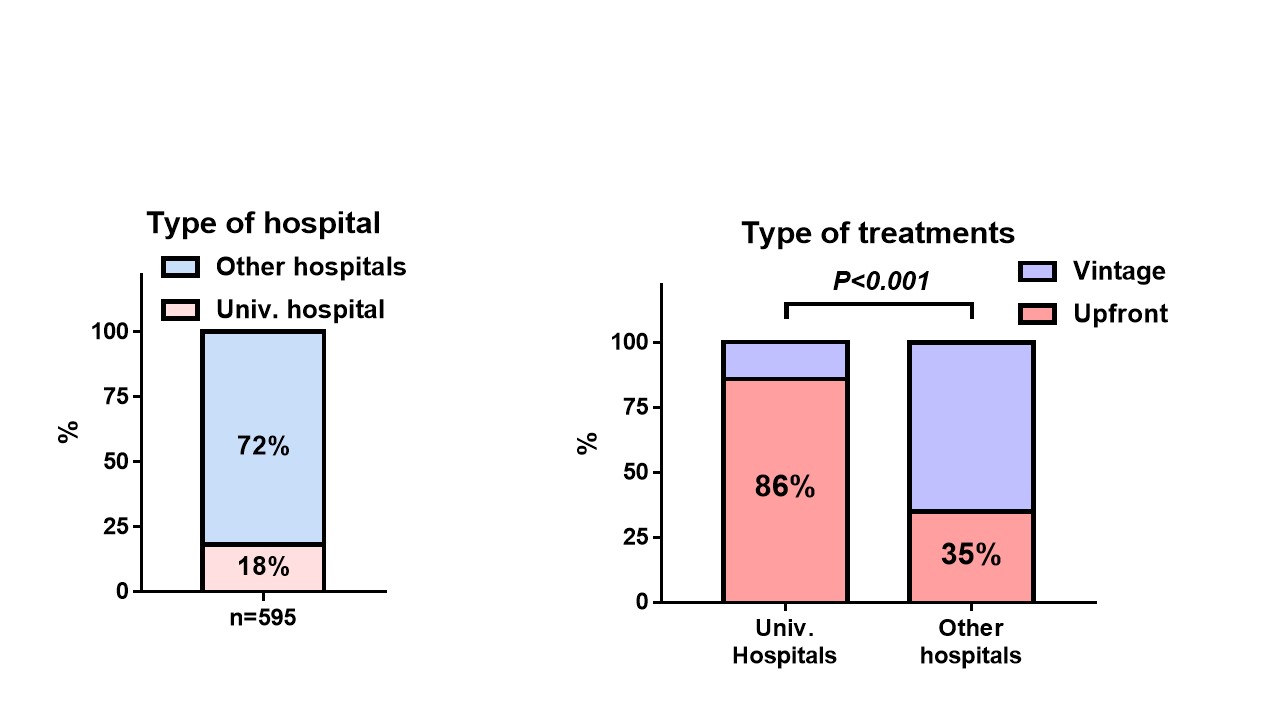
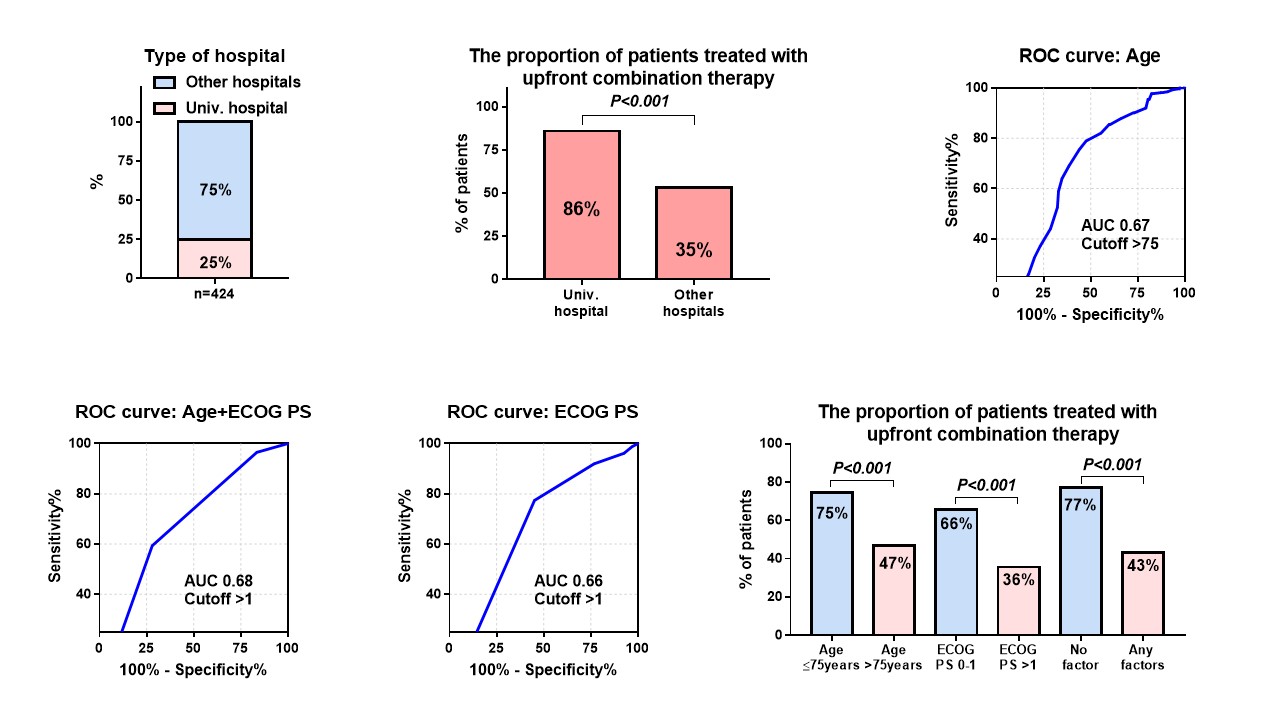
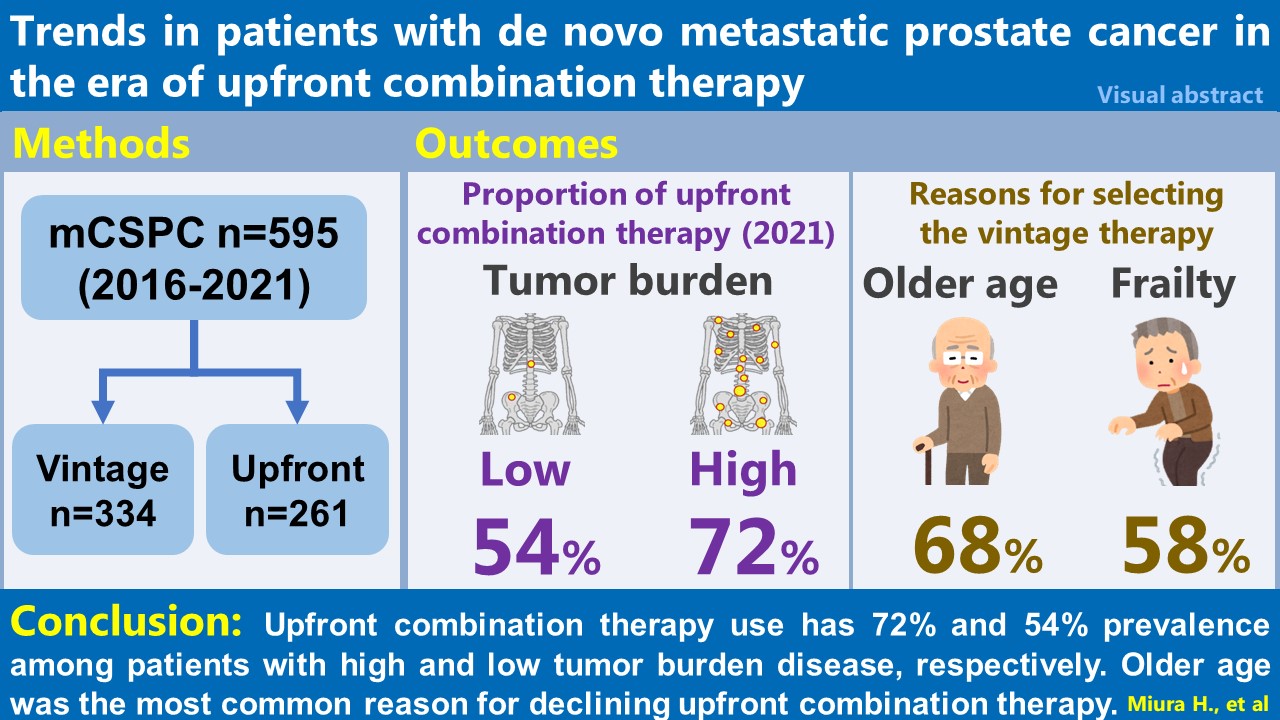
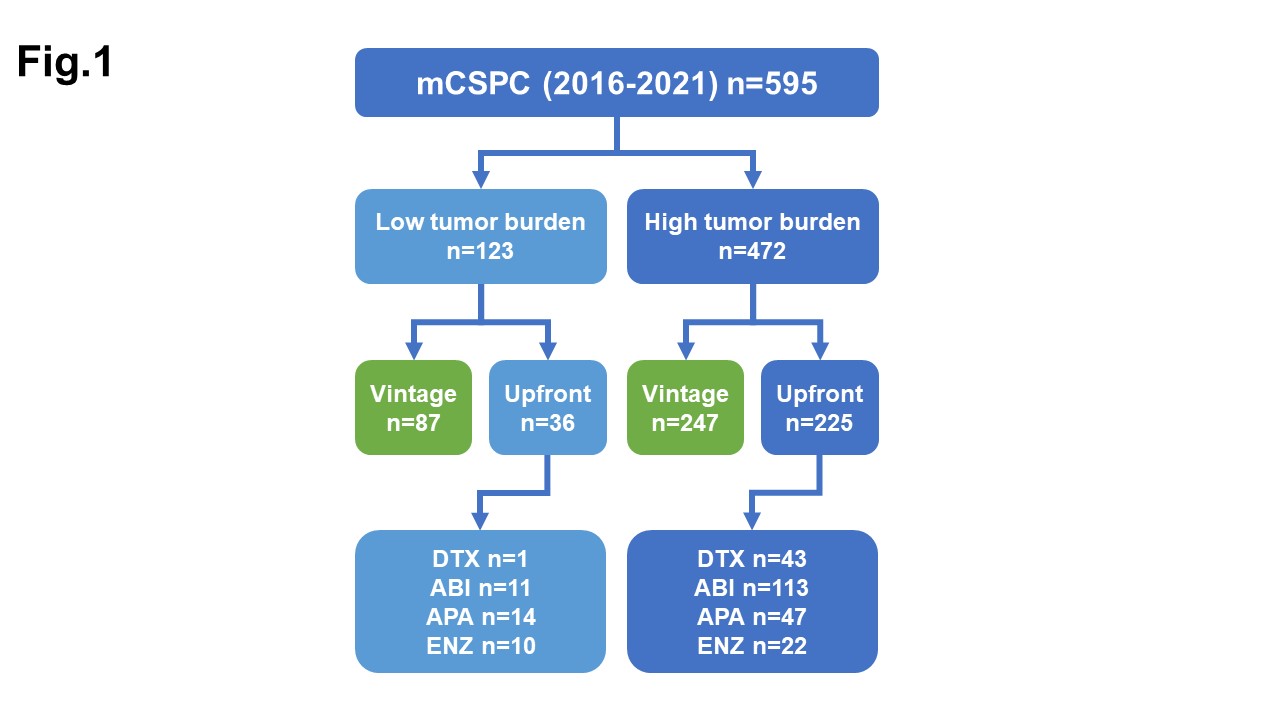
Introduction: To assess trends in treatment selection for patients with de novo metastatic castration-sensitive prostate cancer in the era of upfront combination therapy. Methods: This multicenter retrospective study included 595 patients treated with either upfront combination therapy (upfront novel hormonal therapies and taxane-based chemotherapy) or vintage therapy (androgen deprivation therapy with or without bicalutamide) between 2016 and 2021. High tumor burden metastatic disease was defined when a patient met the CHAARTED or LATITUDE criteria. We evaluated trends in treatment selection and reasons for selecting vintage therapy. Results: Of the 595 included patients, 123 and 472 patients were classified as having low and high tumor burden disease, respectively. Use of upfront combination therapy was found to be rapidly increasing with utilization rates of 72% and 54% in 2021 for high and low tumor burden disease, respectively. Of the 163 patients who were offered upfront combination therapy, 74.2% selected vintage therapy. Reasons for selecting vintage therapy included refusal (39.8%), older age (67.6%), frailty (56.3%), and comorbidity (40.8%). Furthermore, 16.9% of patients declined upfront combination therapy due to cost concerns.Upfront combination therapy use has 72% and 54% prevalence among patients with high and low tumor burden diseases, respectively, in this current practice. Conclusions: Older age was the most common reason for declining upfront combination therapy. SOURCE OF Funding: no