Full Professor of Urology Medical School of Botucatu - São Paulo State University - UNESP
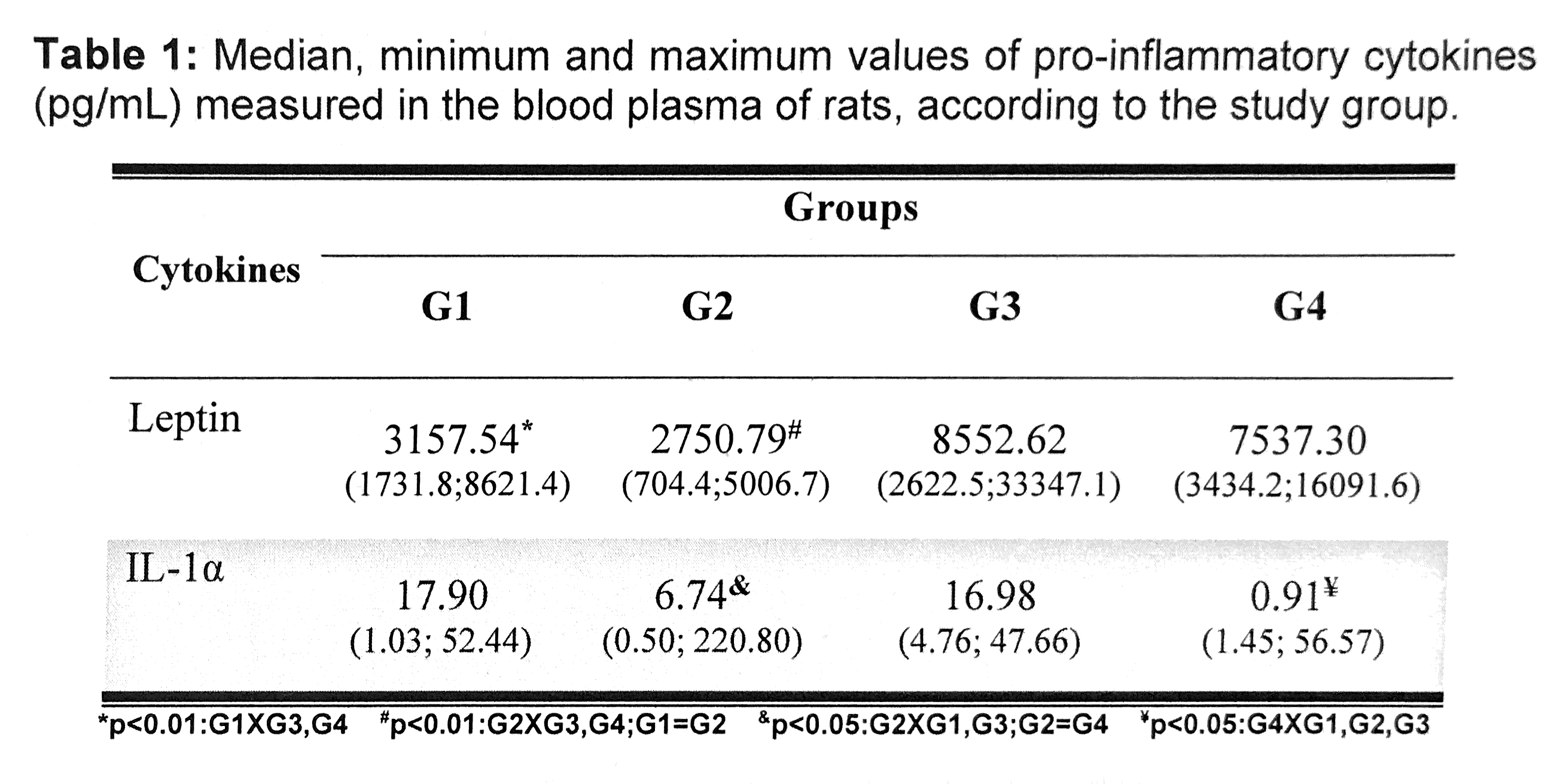
Introduction: Obesity causes disorders such as increased inflammatory levels, type 2 diabetes, cardiovascular disease and kidney disorders. It is a risk factor for lower urinary tract symptoms (LUTS), such as overactive bladder and urinary incontinence, and has a high prevalence in the population, decreasing quality of life of patients. The ingestion of Hibiscus sabdariffa (HB) extract has several health benefits and also anti-obesogenic effects. Therefore, the aim of the present study was to assess whether the different medicinal properties attributable to Hibiscus sabdariffa would act to prevent or mitigate bladder changes induced by obesity induced by obesity in an experimental model. Methods: Forty-eight male Wistar rats were distributed in four different dietary interventions: G1, standard diet and water (n= 12, controls); G2, standard diet and HB tea (n=12); G3 a palatable high-fat diet (DPH) and water (n=12); and G4, DPH diet and HB tea (n=12). The animals were monitored for body weight, HB feed, and water and tea intake, according to the allocated group. After 16 weeks, the animals were euthanized and the levels of creatinine, inflammatory cytokines, testosterone, cholesterol, triglycerides and electrolytes were evaluated. In addition, histopathological analysis of the animals' bladder was performed. Collagen III/I ratio were analyzed by hematoxylin/eosin and Picrosirius red staining. Results: HB tea was able to reduce LDL cholesterol in the G4 group in comparison to G3 ( 5,62±1,19 Vs. 7,31±2,29, p< 0.05). Leptin was shown to be elevated in the groups that received DPH. HB tea was able to decrease the levels of the pro-inflammatory cytokine IL-1a in groups G2 and G4 (Table 1). It is noteworthy that G4 showed a decrease in the thickness of the bladder muscle fibers in comparison to the control group (0.36 Vs. 0.84, p= 0.006), and a significant increase occurred in G3 in relation to G4 (0.50 Vs. 0.36, p= 0.006). Furthermore, there was an decrease in collagen fiber count in G4 when compared to G1 and G3 (7.93 Vs. 15.67, 17.38, p< 0.001) and there was also an significant decrease in G2 group compared to G1 (11.72 Vs. 15.70, p< 0.001). Conclusions: We can conclude that HB has an anti-inflammatory role, is able to reverse hyperlipidemia in obese rats, and reduce deleterious effects of obesity on these animals' bladder. SOURCE OF Funding: None