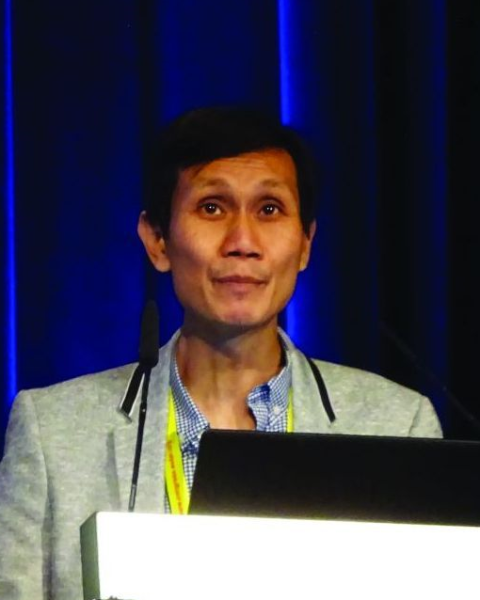
Professor Translational and Clinical Research Institute Newcastle University Newcastle upon Tyne, England
Fatigue is a prevalent symptom among people with Immune-Mediated Inflammatory Diseases (IMIDs). For many patients with IMIDs, fatigue is the most disabling symptom, a strong predictor of loss of work productivity and a key contributor to the health-economic burden to the society. While it is tempting to attribute the cause of fatigue to the inflammatory mechanisms of the underlying IMIDs, there is a lack of consistent relationship between fatigue and disease activity/severity of the underlying IMIDs. Furthermore, treatments that can effectively control the underlying IMIDs in patients often fail to alleviate their fatigue indicating additional mechanisms might play a role in driving the symptom. A growing body of research from different IMIDs have shed light into the role of the immune system, the central and autonomic nervous system, neuroendocrine system, sleep, genetic susceptibility, metabolic disturbances, mood and other psychosocial factors in the induction and maintenance of fatigue in chronic diseases. However, the interrelationship between these diverse mechanisms and fatigue remains poorly defined. In this presentation, we will highlight the prevalence and impact of fatigue in IMIDs, describe the complex relationships between fatigue and underlying IMIDs, discuss the possible contributing mechanisms, and to explore possible approaches to manage fatigue in patients with IMIDs.
Learning Objectives:
To recognize the prevalence and impact of fatigue in IMIDs
To understand the relationship between fatigue and underlying IMIDs
To gain insight into possible contributing mechanisms of fatigue in IMIDs
To explore possible approaches to manage fatigue in IMIDs