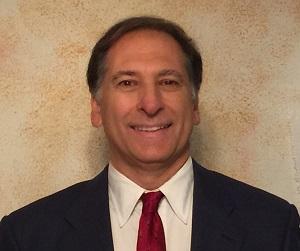
Dr. Anthony Cincotta, president of VeroScience, will give a detailed presentation on the clinical impact of dopaminergic activity at the biological clock on cardiometabolic health, and how western lifestyle-induced depletion of dopamine at this area can facilitate metabolic syndrome, Type 2 Diabetes Mellitus, and cardiovascular disease. Research has shown that circadian dopaminergic input to the body's biological clock (hypothalamic suprachiasmatic nucleus) is a major modulator of autonomic and neuroendocrine regulation of cardiometabolic physiology. An attenuation of the circadian peak in dopaminergic activity at the clock evolved as a survival strategy to increase insulin resistance and glucose supply to the brain during seasons of low food availability (e.g. winter in temperate zones).
However, while these seasonal shifts in dopamine-clock regulation of cardiometabolic physiology are normal, a westernized lifestyle can chronically inhibit the normal dopaminergic activity, facilitating elevated sympathetic tone and insulin resistance, locking the individual in a year-round neuroendocrine/autonomic ‘winter’ condition, thus instigating a host of cardiometabolic disorders. Clinical studies highlight that targeting decreased dopaminergic activity can be an effective means of improving elevated sympathetic tone, insulin resistance, and Type 2 Diabetes.

.jpg)