
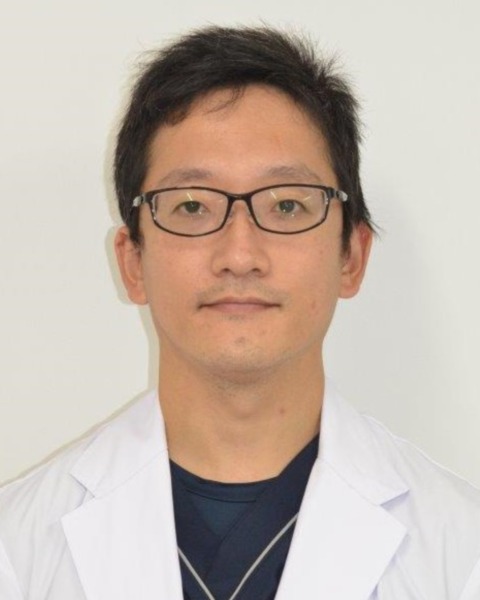
Assistant professor
Niigata University
Niigata, Niigata, Japan
Development of novel therapeutic strategies for patients with sarcomas are urgently needed. Despite the dramatic success of immunotherapies in some cancers, the efficacy of immunotherapy has been disappointing in sarcomas. This has led me to my interest in the tumor immunology in bone and soft tissue sarcomas. During my Ph. D. program, I investigated the tumor immune microenvironment in synovial sarcomas and elucidated that the expression of programmed death ligand 1(PD-L1) is extremely limited, and there is a significant infiltration of CD163+ macrophages in the tumor, which might be the cause of the failure of check point inhibitor therapy in synovial sarcoma. I also characterized the tumor immune microenvironment in liposarcomas, and demonstrated that Human leucocyte antigen I in myxoid liposarcoma is significantly down regulated. This work has led to the current understanding of the field that translocation -driven sarcomas escape from the immune system through mechanism other than the PD-1/PD-L1 axis and the efficacy of immune checkpoint inhibitors in sarcomas is limited in these types of sarcomas.
This has led me to my current project I am pursuing in my post-doctoral training. With my mentor Dr.Hayashi’s expertise in sarcoma preclinical studies, combined with Dr.Verneris’s expertise in NK cell biology, the project presents a perfect example where a collaboration of experts with distinct niches complement each other to make a uniquely qualified team. This project will also serve as a foundation of my post-doctoral training, as I continue my training in sarcoma immunology as well as I learn methodologies of preclinical evaluation as well. I prepare for my transition to independence as a sarcoma physician scientist
Friday, November 18, 2022
3:54 PM – 4:02 PM