|
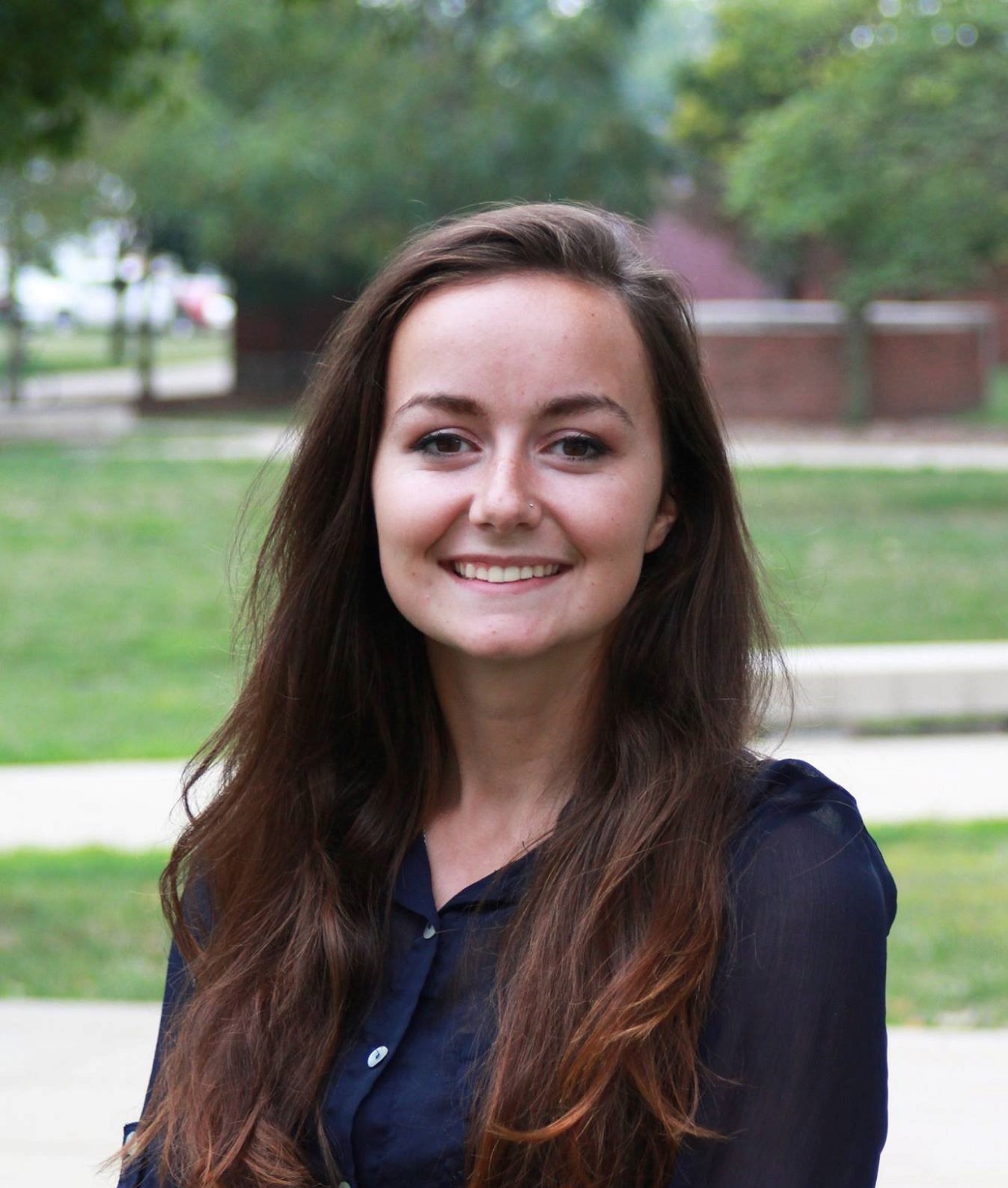
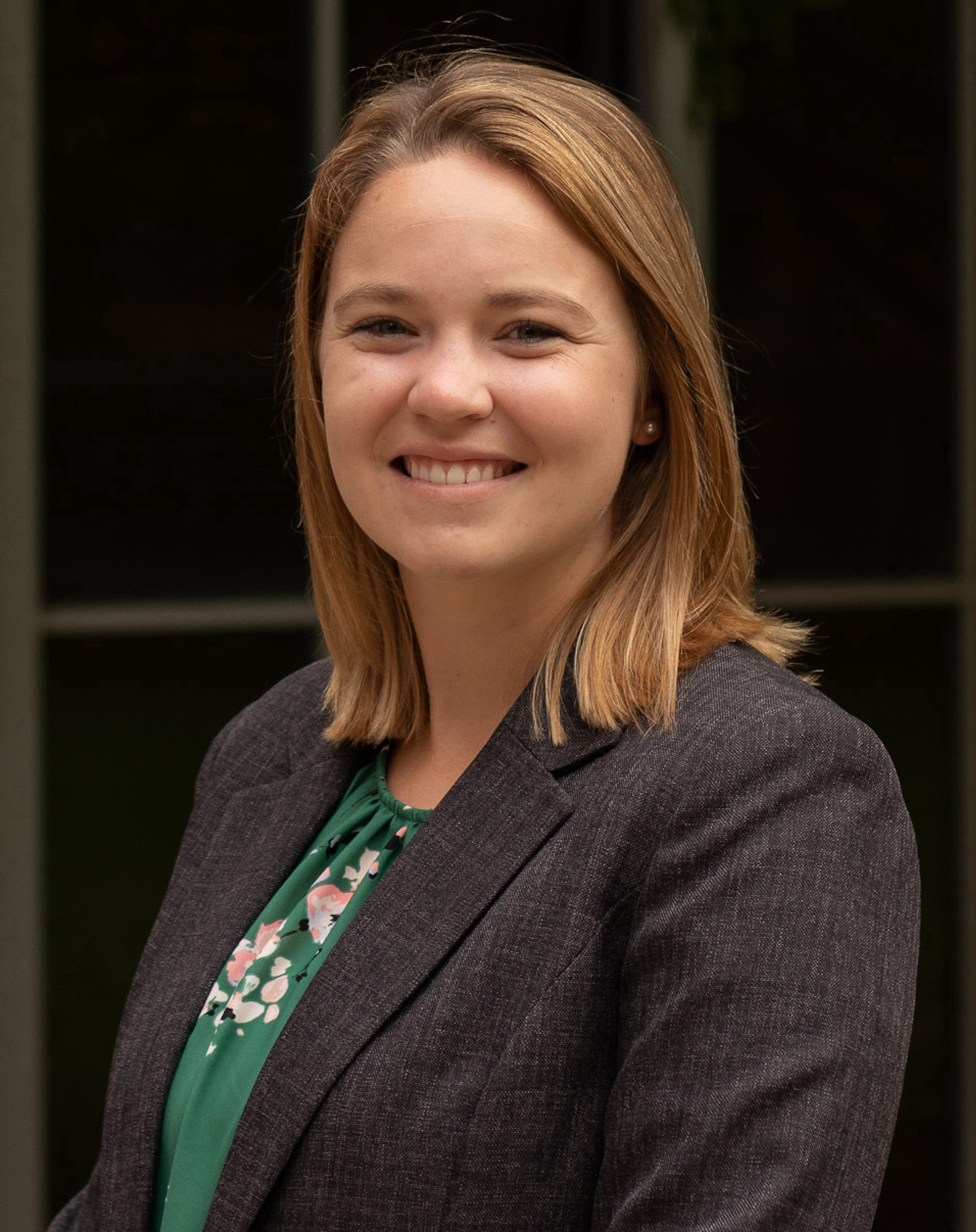
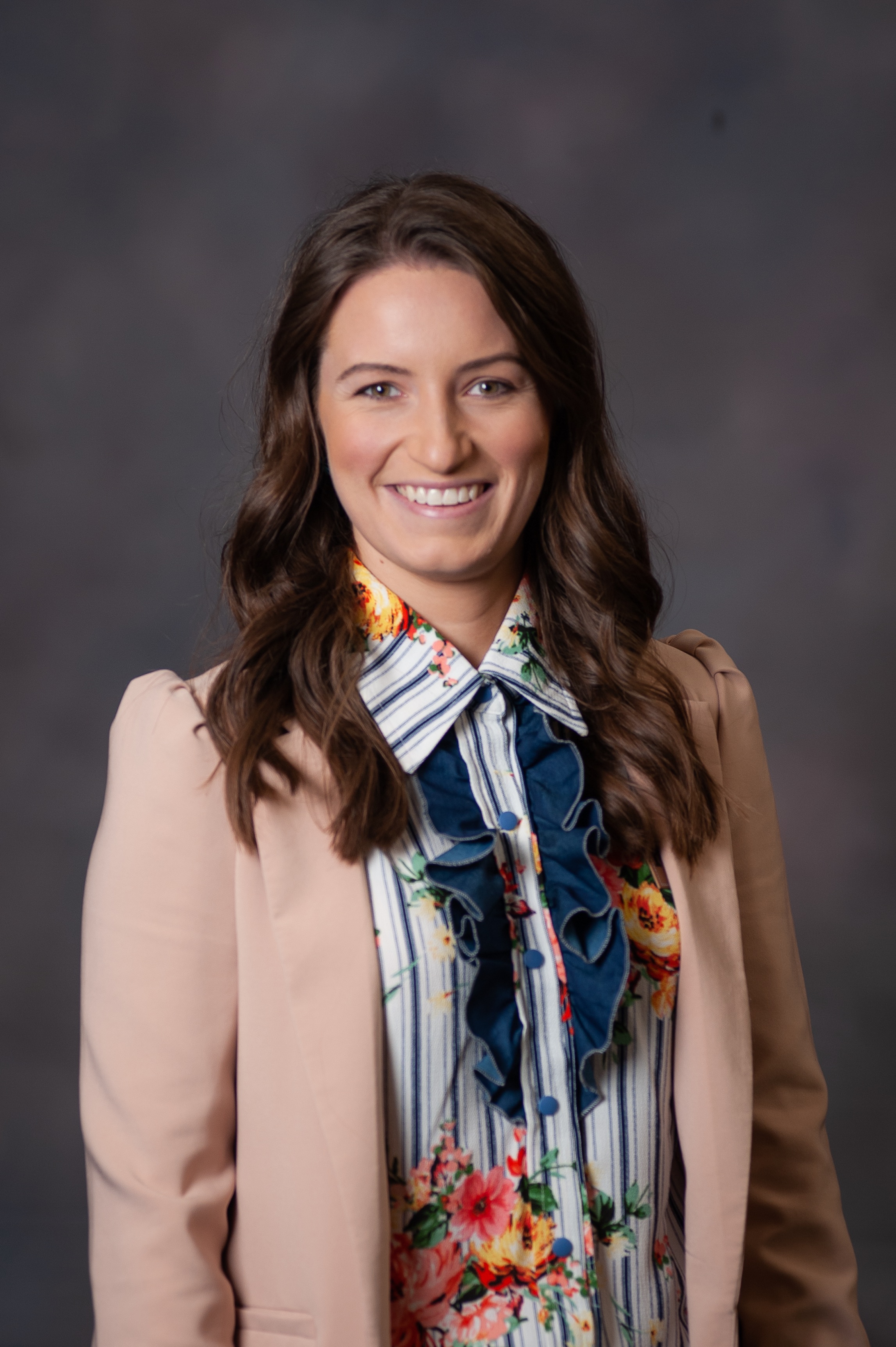
Erin Bryan |
Erin Bryan received her B.S. and M.S. degrees from the University of Illinois and is currently a doctoral candidate at the University of Illinois with Dr. Anna Dilger. Her dissertation focuses on fetal programming, specifically the effect of maternal inflammation during gestation on offspring muscle development and immune function. Using gestating sows, she has implemented both a disease model and a novel non-pathogenic model, which she largely designed. Erin has authored five peer-reviewed works thus far and presented her research findings at several conferences. She is also very active in teaching both entry and graduate level courses, serving as a teaching assistant and guest lecturer all but one semester of her graduate career. Upon graduation, Erin hopes to work in the animal health sector finding ways to improve welfare and efficiency of livestock. |
| |
|
|
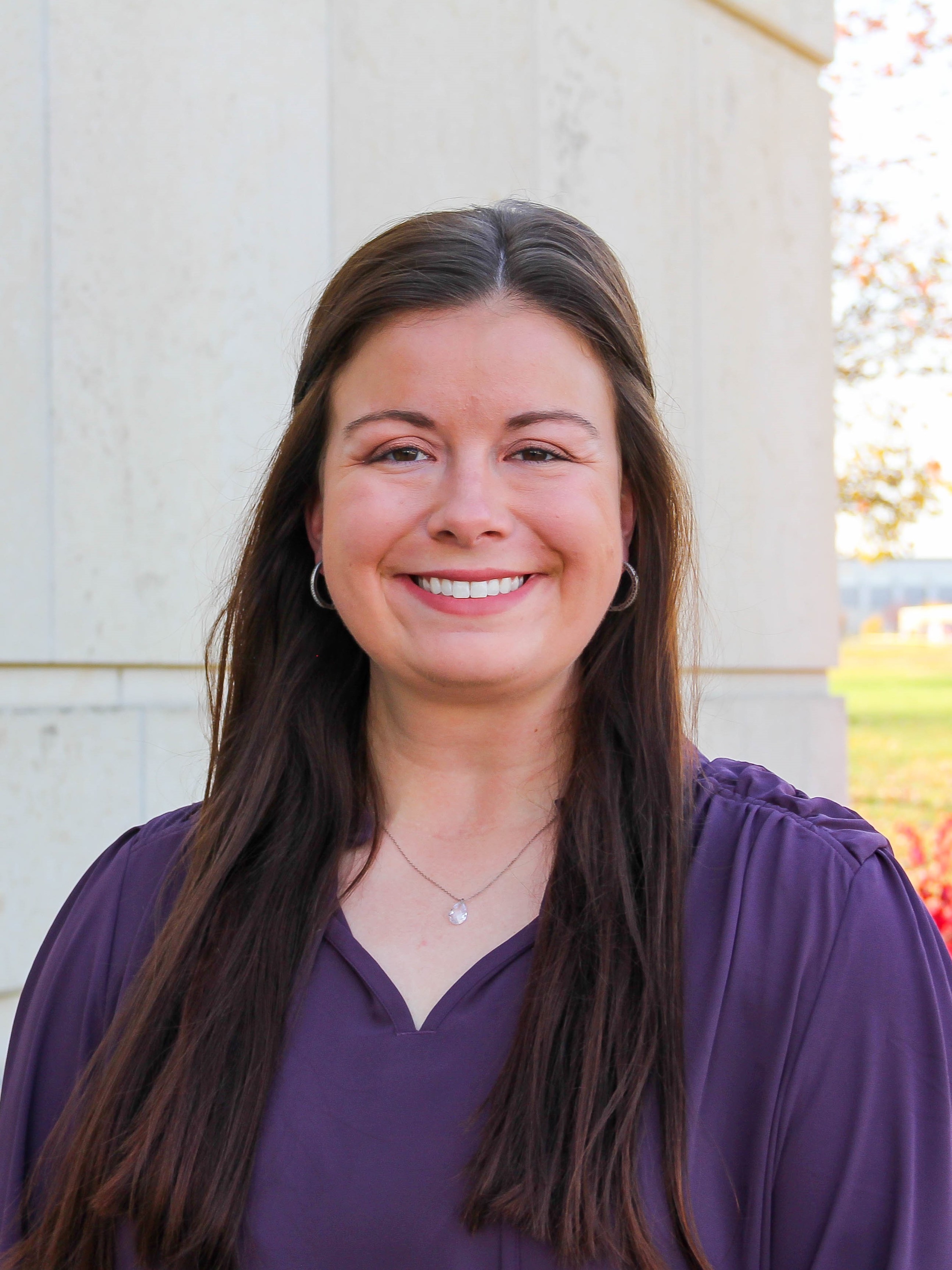
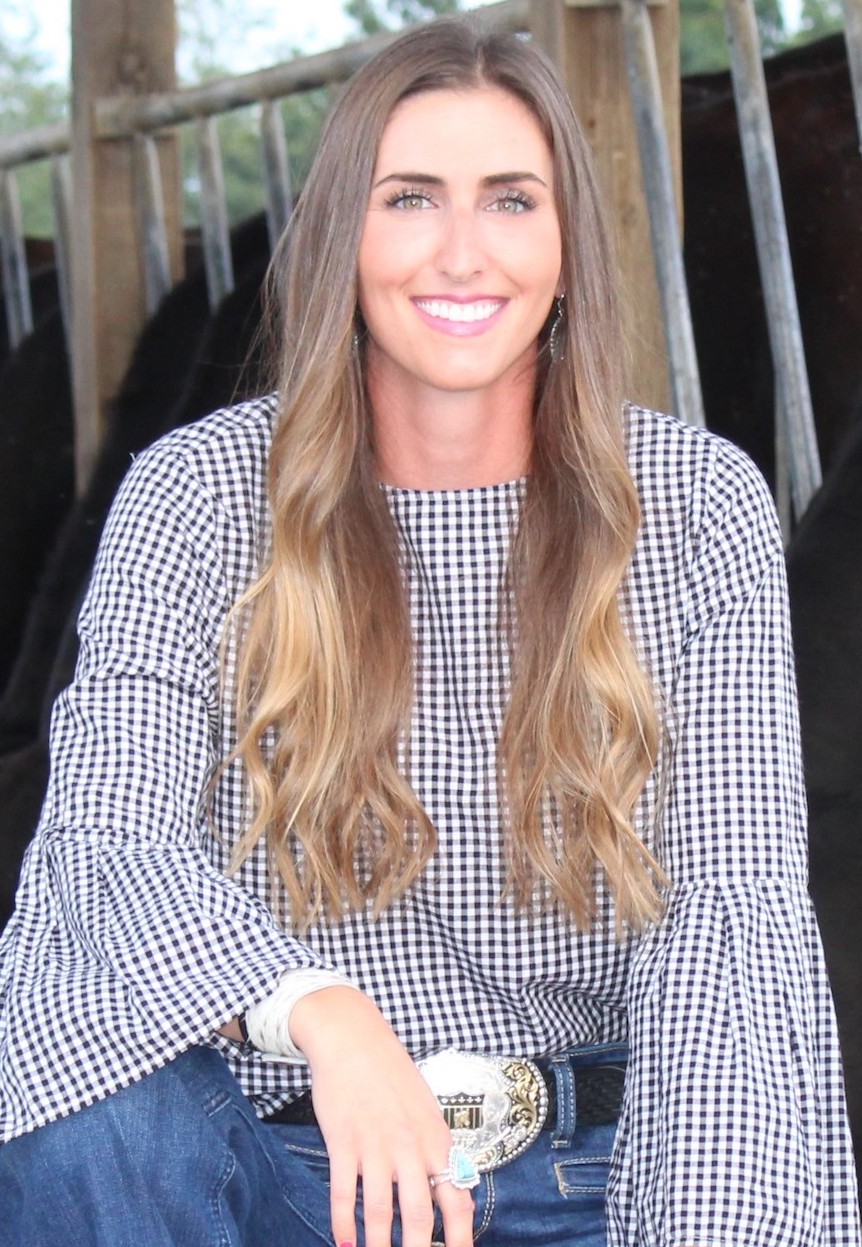
Kara Dunmire |
Dr. Kara Dunmire recently completed her Ph.D. at Kansas State University in Feed Science and Management. She completed her B.S. in Food Science at Penn State University in 2016 and M.S. in Animal Science (swine nutrition) at Texas A&M University in 2017. Dr. Dunmire has completed impactful research that has benefitted multiple industries in ingredient quality, feed manufacturing, poultry, and swine nutrition. During her time at Kansas State, some of her research has focused on amino acid digestibility from different soybean meal sources, the use of NIRS to predict official analytical values, and the potential to influence amino acid digestibility during pelleting. Dr. Dunmire’s research and collaboration has resulted in authored and coauthored publications, including 13 extension research reports, four published articles, 11 abstracts, a patent and book chapter. Additionally, she led the development of new quality feed manufacturing guidelines, evaluations, and visual aids for feed mill managers and nutritionists. |
| |
|
|
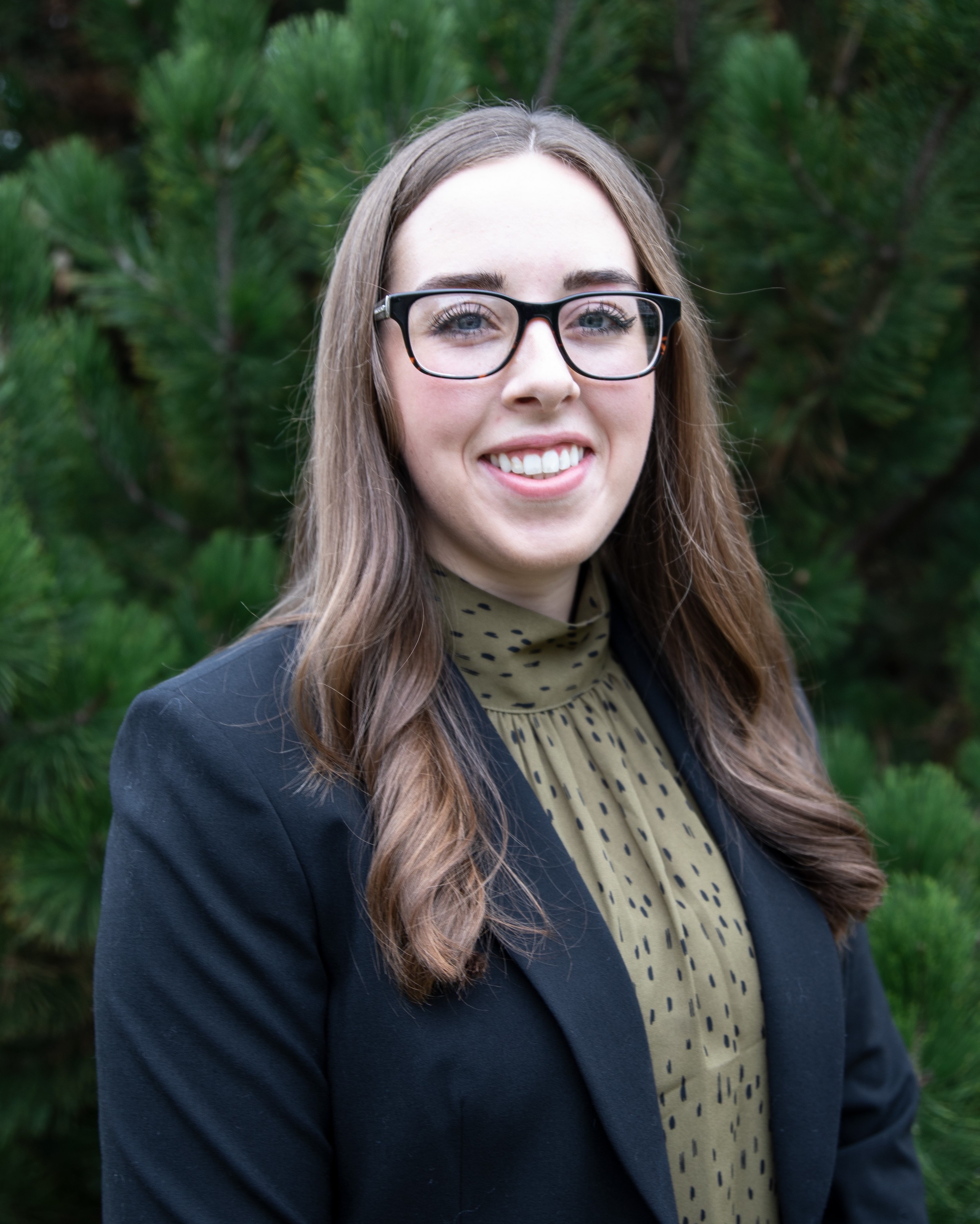
Julia Holen |
Julia Holen is a PhD candidate in Swine Nutrition at Kansas State University. Originally from Fergus Falls, MN, she completed her B.S. and M.S. in Swine Nutrition at the University of Minnesota. Julia’s M.S. research focused on digestibility of supplemental zinc sources in gestation and lactation and the effects on pre-weaning piglet survivability. Julia’s Ph.D. program has included commercial sow studies on the influence of essential fatty acids on sow performance, piglet growth and survivability, and colostrum and milk composition. She also completed a meta-regression analysis on the impact of branched-chain amino acids for lactating sows on litter growth, sow feed intake, and bodyweight change and evaluated effects of increasing soybean meal on late-finishing pig growth. In addition to her research, Julia has enjoyed mentoring and teaching undergraduate students. Upon graduation, Julia will join the Swine Vet Center in Saint Peter, MN as a swine nutritionist and production researcher. |
| |
|
|
Cynthia Jinno |
Cynthia Jinno is a Ph.D. candidate in the Animal Biology Graduate Group at the University of California, Davis, under the supervision of Dr. Yanhong Liu. Cynthia was born and raised in Los Angeles, CA, and she earned her M.S. with her thesis titled “Utilization of Enzymatically Digested Food Waste as Feed for Growing-Finishing Pigs” from the University of California, Davis, in 2017. Her Ph.D. research is to investigate the dietary effects of various direct fed microbials on gut microbiome-host interactions in pigs under weaning stress. She is also interested in implementing machine learning to find a better understanding of host-microbe interaction in weaned pigs. |
| |
|
|
Elizabeth Messersmith |
Dr. Elizabeth Messersmith is originally from Nebraska, and she credits her passion for the beef industry to growing up on her family’s feedlot operation. She attended the University of Nebraska-Lincoln for her B.S. in Animal Science (2016) before completing her M.S. at Iowa State University (Animal Science; 2018) with Dr. Stephanie Hansen. in December 2021, Dr. Messersmith graduated with her Ph.D. (Animal Science) from Iowa State University, where she was an active member of the Hansen Ruminant Nutrition Laboratory. Her research focused on optimizing cattle growth by uncovering interactions between copper or zinc supplementation and growth-promoting technologies, such as steroidal implants and beta-agonists. This work has led to over 25 peer-reviewed manuscripts, abstracts, and proceeding papers combined, as well as four invited extension presentations. Dr. Messersmith is currently serving as a postdoctoral research associate at Iowa State University with Dr. Hansen and is looking forward to a career serving the beef industry. |
| |
|
|
Kirsten Nickles |
In 2019, Kirsten Nickles obtained her M.S. from The Ohio State University, under the guidance of Dr. Tony Parker, where she has continued into her doctorate program with an expected graduation date of May 2022. In her time at Ohio State, Kirsten has been effective in performing industry relevant research and translating her findings into peer-reviewed articles, extension articles and presentations, and academic presentations; she placed first in the Midwest section Ph.D. oral competition in 2021 and third in 2020. Throughout her Ph.D. studies, Kirsten has investigated the effects of mud on beef cow/calf herds in the Midwestern United States, an important topic as the predicted increase in ambient temperatures and precipitation will create wetter conditions that will coincide with a greater presence of mud in the environment. Kirsten’s work has demonstrated significant challenges in maintaining body weight of the mature beef cow and first calf heifer exposed to mud during late gestation, and she has evaluated the fetal programming effects on the offspring of these females. |
| |
|
|
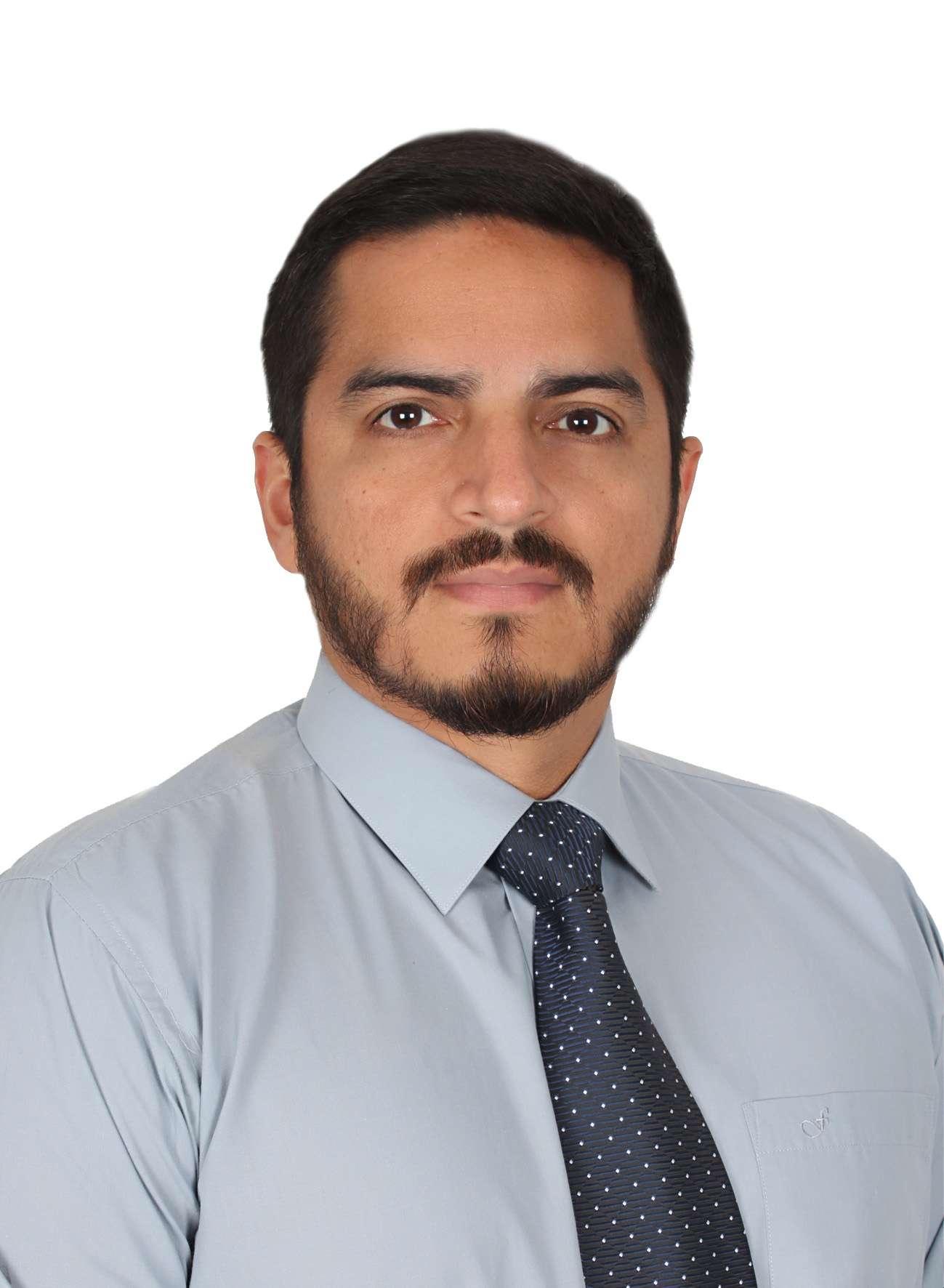
Christian Ramirez-Camba |
Christian Ramirez-Camba is a native of Ecuador with experience in meat animal production in South, Central, and North America. He holds a MS in both nutritional science and data science and is a Ph.D. candidate at South Dakota State University, where he is studying monogastric nutrition with an emphasis in amino acid metabolism during pregnancy in sows. Christian has integrated his data analytics and metabolism knowledge to better understand the complex interplay between meeting maternal and fetal demands for nutrients during pregnancy and potential consequences when nutrient supply is not optimal. In additional to scientific investigations, Christian has actively pursued opportunities to strengthen his communication skills, in particular communicating scientific concepts to non-scientific audiences and educating non-agriculture communities about commercial swine production. |
| |
|
|
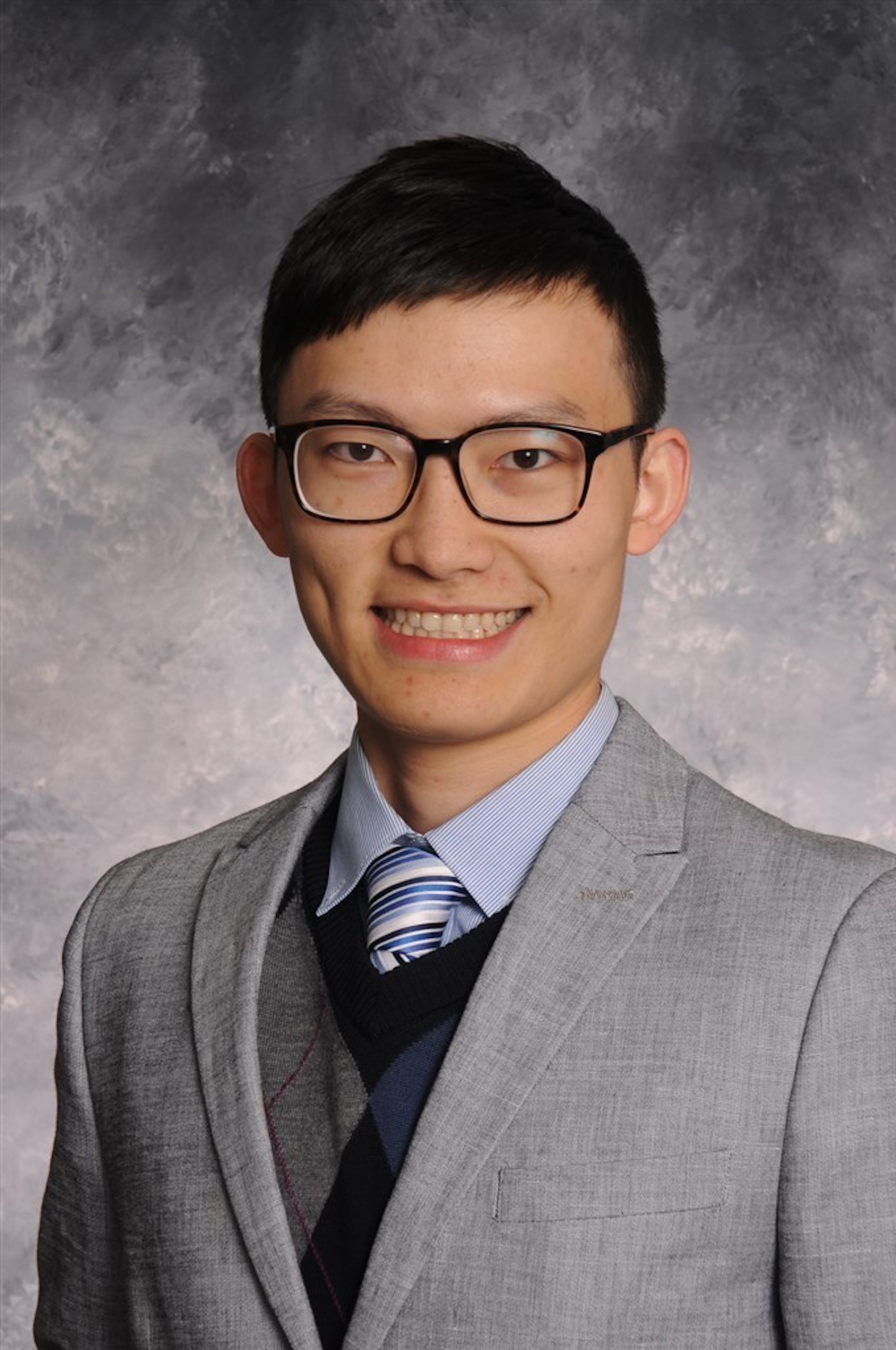
Zhaohui "Edward" Yang |
Mr. Zhaohui “Edward” Yang received his B.S. degree from the University of Wisconsin-Madison and his M.S. from the University of Minnesota. He is currently completing his Ph.D. program at the University of Minnesota with Drs. Gerald Shurson and Pedro Urriola. His dissertation is focused on research to improve precision swine nutrition and environmental sustainability in global pork production systems. One of these projects was funded through a research grant he co-authored. Mr. Yang has published 4 peer-reviewed journal articles, 7 conference abstracts, and 4 popular press articles during his graduate studies. He is also highly involved in service activities, serving as the President of Graduate Student Club and Student Representative on the Graduate Studies committee in the Department of Animal Science at the U of M, and has participated in numerous industry career development programs. In addition, he is actively bridging the connections between U.S. and China feed and pork industry. |
| |
|
|
Miriam Martin |
Dr. Miriam Martin was raised in Meadville, Missouri where she grew up on a ranch. Miriam completed her undergraduate degree in animal science at the University of Missouri where she discovered her passion for animal welfare. She earned a Masters in livestock behavior and welfare at Colorado State before commencing her doctoral program at Kansas State University in August 2018. Miriam successfully defended her PhD in October 2021. Her research focused on advancing animal welfare through the use of analgesic drugs to mitigate the negative effects of painful livestock management procedures, such as dehorning and castration. This work produced 8 manuscripts. Miriam is the first recipient of a Foundation for Food and Agriculture Research (FFAR) Fellowship in the history of Kansas State University. She also received the Jane Westfall Graduate Student Fellowship for Women and the ASR Ganta Graduate Student Award, and served as the Midwest ASAS Graduate Director and the CVM GSA Vice President. |