Poster Session B
Antiphospholipid Syndrome
Katarina Kmetova, BSc, MSc
Division of Rheumatology, University of Michigan, Ann Arbor, Michigan, USA
Ann Arbor, MI, United States
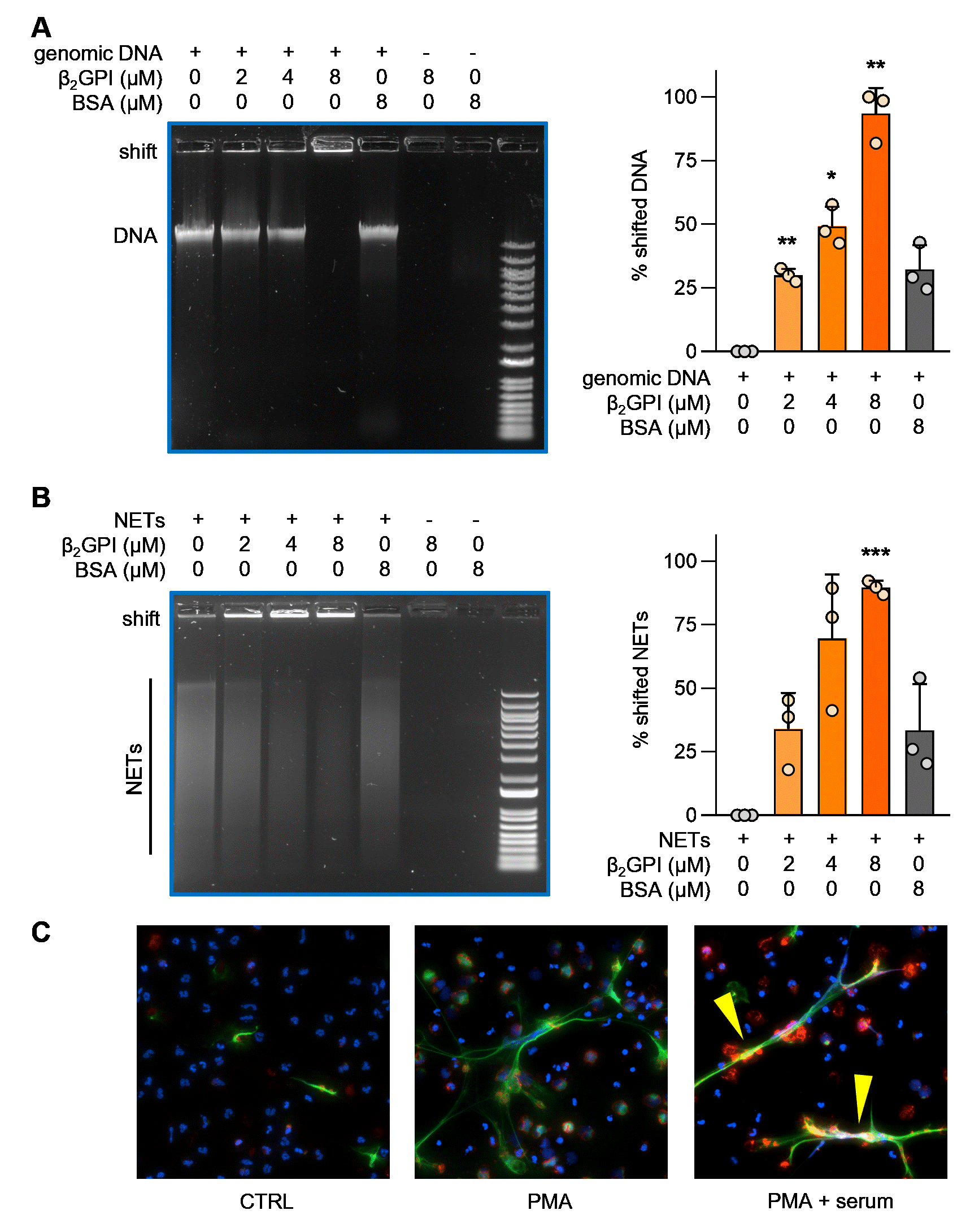 Figure 1: β2GPI binds to DNA and NETs. A-B, Different concentrations of purified β2GPI protein were allowed to form complexes with genomic DNA or NETs as indicated, before resolving the complexes on an agarose gel. Quantification is from three independent experiments; *p < 0.05, **p < 0.01, ***p < 0.001 as compared with the first lane by one-way ANOVA corrected for multiple comparisons. C, Control neutrophils were stimulated with PMA to generate NETs in the presence and absence of 10% human serum (a source of β2GPI) and stained for: DNA=blue, neutrophil elastase=green, β2GPI=red and PMA=phorbol 12-myristate 13-acetate. NETs decorated with β2GPI are indicated by yellow arrows.
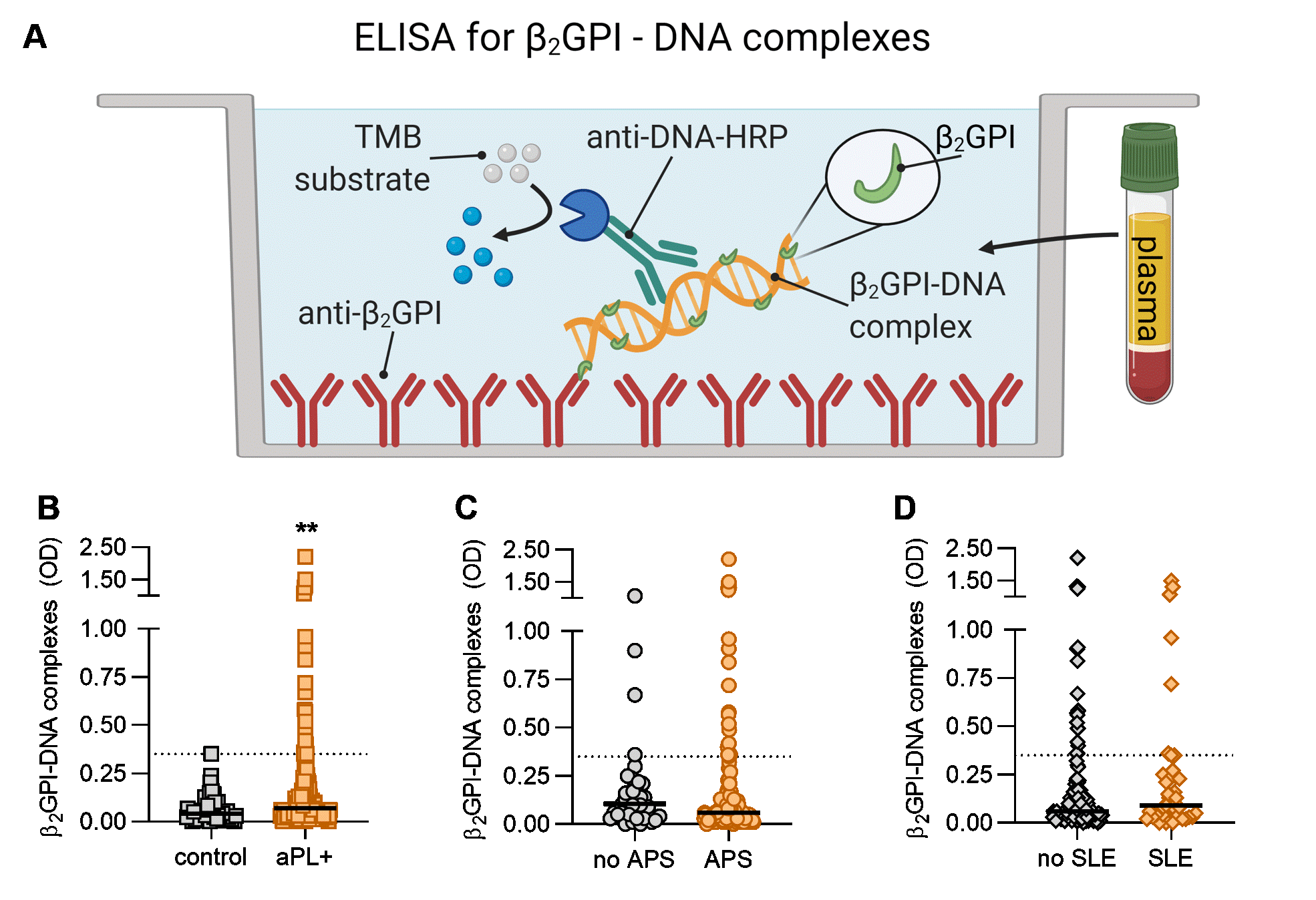 Figure 2: Detection of circulating β2GPI-DNA complexes in antiphospholipid antibody (aPL)-positive patients. A, Schematic illustration of a novel β2GPI -DNA ELISA. B, Levels of β2GPI-DNA were compared between healthy controls (n=52) and aPL-positive patients (n=170, 103 primary APS, 29 secondary APS, and 38 aPL-positive but without criteria APS manifestations). C, β2GPI-DNA in patients meeting classification criteria for APS (n=132) compared with those that do not (n=38). D, Levels of β2GPI-DNA in patients with SLE (n=39) compared with those without SLE (n=131); Mann-Whitney test was used for group comparison, **p < 0.01. OD=optical density. HRP=horse radish peroxidase, TMB=3,3',5,5'-tetramethylbenzidine.