
.jpg)
Clinical Session Proposals
Central Nervous System

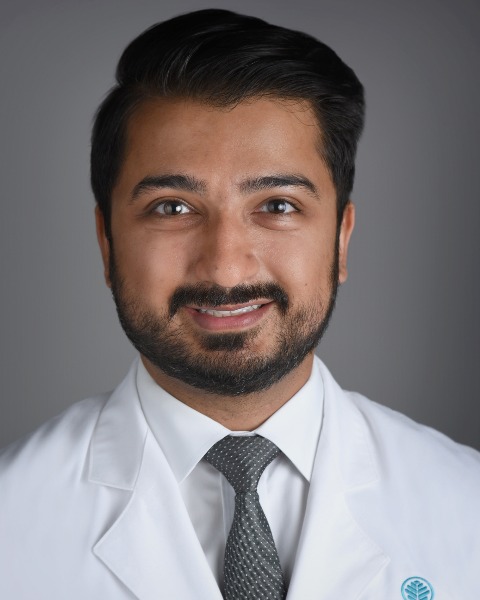
Nathan B. Darji, DO (he/him/his)
Assistant Professor, Brain Injury Division
Atrium Health Carolinas Rehabilitation
Charlotte, North Carolina
Disclosure: I do not have any relevant financial / non-financial relationships with any proprietary interests.
Introduction and Background (20 minutes) - Dr. Nathan Darji:
-Describe incidence and prevalence of hydrocephalus after brain injury
-Present the data on risk factors for the development of hydrocephalus after brain injury
-Case Example 1: Decompressive Hemicraniectomy
-Discuss types of hydrocephalus after brain injury (obstructing vs non-obstructing)
-Discuss normal and abnormal CSF dynamics including CSF production, CSF flow, and CSF reabsoprtion including the role of the glymphatic system
The intent of this lecture provided by Dr. Nathan Darji is to provide a foundational basis for the audience to understand the development of hydrocephalus by reviewing normal and abnormal CSF dynamics. Additionally, data on risk factors and the pathophysiologic role of neurosurgical procedures such as decompressive hemicraniectomy will be discussed. After this portion of the session, the audience will be confident in understanding the mechanisms for the development of hydrocephalus after brain injury.
Neurosurgical Considerations (20 minutes) - Dr. Nathan Darji/Dr. Mark Dannenbaum
-Discuss CSF diversion as a definitive treatment option for hydrocephalus
-Discuss how large craniectomies affect CSF dynamics and the development of hydrocephalus
-Discuss shunt valve types and their functions
-Complications after shunt placement
-Case Example 2: Shunt malfunction
-Neurosurgical perspective on shunt decision-making
The intent of this particular content is for the audience to be able to understand CSF diversion as a definitive treatment for hydrocephalus and the potential neurosurgical considerations and complications that may arise from shunt valves. A case example highlighting a shunt malfunction presenting in the rehabilitation setting including its workup and management will be presented. After this portion of the session, the audience will have a solid understanding of all things shunt-related.