
.jpg)
Theme: Central Nervous System


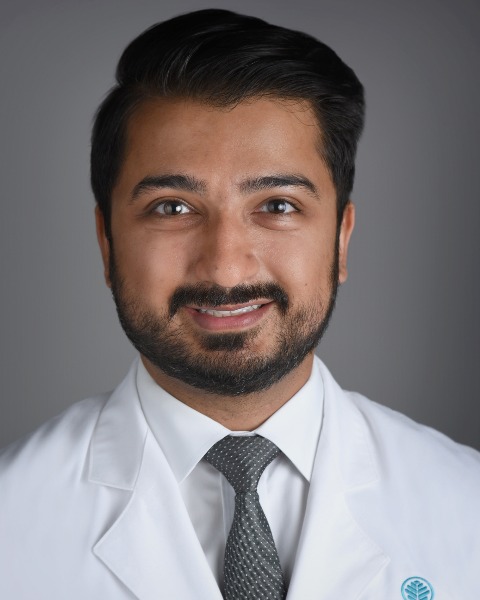
Nathan Darji, DO (he/him/his)
Assistant Professor, Brain Injury Division
Atrium Health Carolinas Rehabilitation
Charlotte, North Carolina
Disclosed no relevant financial relationships.
Cindy Ivanhoe, MD
Clinical Professor, Physical Medicine and Rehabilitation McGovern Medicine School
TIRR-Memorial Hermann
Houston, Texas
Disclosed no relevant financial relationships.
Mark Dannenbaum, MD
Assistant Professor of Neurosurgery
UT McGovern Medical School
Disclosed no relevant financial relationships.
Communicating hydrocephalus after brain injury is an underdiagnosed and undertreated clinical phenomenon. It has been reported that up to 73% of patients with post-traumatic hydrocephalus present in the rehabilitation setting (Kammersagaard et al, 2013). Physiatrists must lead the way in recognizing and advocating for the treatment of hydrocephalus in order to promote rehabilitation and the best possible outcomes for patients afflicted by a brain injury. It is imperative that physiatrists be equipped with the skills to recognize the subtle presentations of hydrocephalus and communicate and advocate to neurosurgeons for definitive treatment of CSF diversion.
This session will educate the audience on the clinical manifestations of normal pressure hydrocephalus after acquired brain injury. Normal and abnormal CSF dynamics, behavioral and cognitive manifestations of hydrocephalus, diagnostic measures including radiographic and clinical features, and neurosurgical considerations will be discussed.
References:
Kammersgaard LP, Linnemann M, Tibæk M. Hydrocephalus following severe traumatic brain injury in adults. Incidence, timing, and clinical predictors during rehabilitation. NeuroRehabilitation. 2013;33(3):473-80. doi: 10.3233/NRE-130980. Erratum in: NeuroRehabilitation. 2017;41(4):831. PMID: 23949078.
Speaker: Nathan B. Darji, DO (he/him/his) – Atrium Health Carolinas Rehabilitation
Speaker: Cindy B. Ivanhoe, MD – TIRR-Memorial Hermann