
.jpg)
Theme: Cancer Rehabilitation


.jpg "Sara Parke, MD photo")
Sara Parke, MD
Assistant Professor
Mayo Clinic Arizona
Phoenix, Arizona
Disclosed no relevant financial relationships.
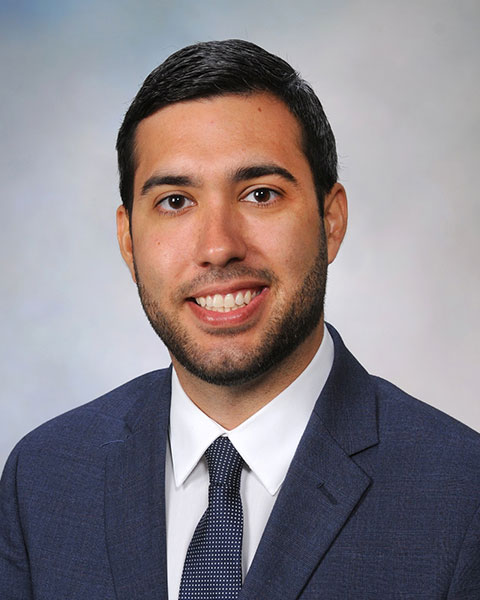
Raul Rosario-Concepcion, MD
Assistant Professor
Mayo Clinic - Florida
Jacksonville, Florida
Disclosed no relevant financial relationships.
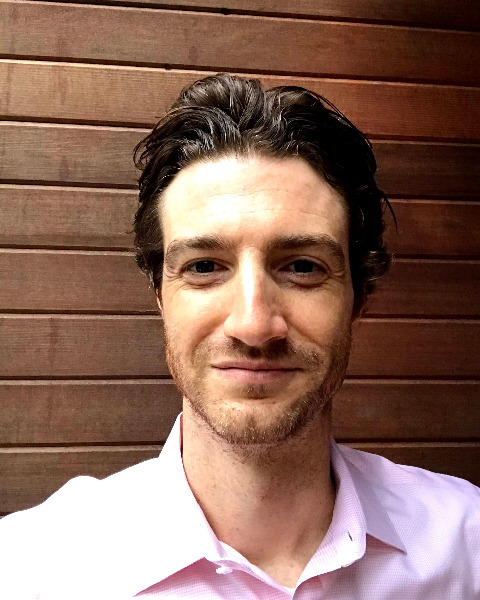
Sean Smith, MD
Associate Professor
University of Michigan PM&R Program
Ann Arbor, Michigan
Disclosed no relevant financial relationships.
Oncology organizations are asking for more rehabilitation care for their patients, and physiatrists must be leading the charge. To do this, general physiatrists, especially those in the community setting, must be empowered to care for cancer patients.
The number of cancer survivors is projected to increase to over 22 million by 2030, significantly more than many traditional rehabilitation populations (SCI, TBI, etc). Rates of functional loss attributed to cancer are high, yet rehabilitation rates for physical impairments remain as low as 1-2%. The application of rehabilitation principles including functional evaluation, equipment, and exercise prescription, as well as pain management, can reduce physical impairments, activity limitations and participation restrictions in cancer survivors. However, most cancer patients are still not receiving timely or adequate access to rehabilitation services. Although there are many reasons for low rates of access to rehabilitation services, one important barrier is the limited availability of cancer rehabilitation professionals.
This session will discuss the current and anticipated future need for cancer rehabilitation as the number of survivors grows and the population ages. We will discuss how the general physiatrist can provide a variety of necessary survivorship services, ranging from coordination of care to complex diagnostic, pharmacological, and procedural interventions to improve survivors’ quality of life. The faculty will discuss cancer rehabilitation pearls and precautions for common cancer populations. We will focus on how general PM&R skills can be leveraged to provide timely and appropriate care for cancer survivors, including how EMG and musculoskeletal ultrasound can be used for diagnostic and interventional applications. Finally, we will provide real life examples of building a cancer rehabilitation practice from the ground up from physiatrists with different training and practice backgrounds. We will give tips on how to communicate with oncology teams, review relevant oncology organizations’ recommendations, and discuss how to identify necessary supportive care partners. In summary, by using a general PM&R background, we aim to increase the knowledge about how physiatrists can serve cancer patients in their local communities to improve access to necessary cancer rehabilitation services.
Speaker: Sara Parke, MD – Mayo Clinic Arizona
Speaker: Raul A. Rosario-Concepcion, MD – Mayo Clinic - Florida
Speaker: Sean Smith, MD – University of Michigan PM&R Program