
.png)
Sedation


.jpg "Fahra Y. Dawood, DDS photo")
Fahra Y. Dawood, DDS
Resident PGY2
Nova Southeastern University, Fort Lauderdale, FL
Nova Southeastern University
Davie, Florida, United States
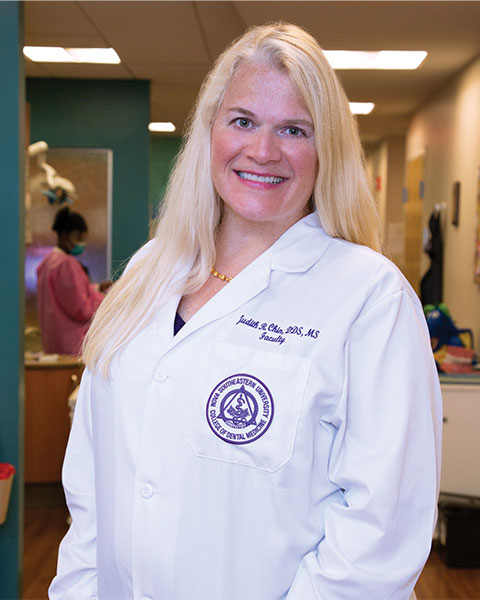
Judith R. Chin, DDS, MS
Pediatric Residency Program Director
NSU College of Dental Medicine
Nova Southeastern University College of Dental Medicine
Davie, Florida, United States
David Mastropietro, PH.D, BS PHARM
Nova southeastern university
Judith R. Chin, DDS, MS
Pediatric Residency Program Director
NSU College of Dental Medicine
Nova Southeastern University College of Dental Medicine
Davie, Florida, United States
Purpose: The focus of this study is on oral conscious sedation and how the provider can overcome oral administration challenges of midazolam and/or hydroxyzine sedatives using a novel formulation. This study is the continuation of 2 previous studies by NSU pediatric dental residence in 2019. The aim was to determine if masking the sedation drug into a gummy bear will be more acceptable to both neurotypical patients and patients on this spectrum.
Methods: This study is divided into 2 components: children with ASD and neurotypical children. To attain mild to moderate oral conscious sedation, study participants will receive compounded gummy bears containing 2.5 mg of midazolam or 5.0 mg of hydroxyzine optimized for taste masking. This study will be based on observational data of the acceptability of the drug delivery method or the hedonic response. Efficacy of the sedation will be monitored. The ASD portion will use a 3-point Likert score and the neurotypical part will use a 5- point hedonic response scale and 3- point Likert scale. Both parts of the study will then be compared to utilization of the same drugs in liquid form previously used for sedations. All study procedures will follow current safety protocols for COVID-19.
Results: Pending.
Conclusion: Oral sedation is an alternative method of behavior guidance used by pediatric dentists. The targeted population often rejects the medication, compromising sedation. More favorable methods of administering medication are necessary. Research using compounded medications and clinical trials with pediatric populations must continue to optimize the final product.